Practical guides for horse owners covering care, costs, services, health, nutrition, ownership and more.

Grooming and body clipping services range from mobile clippers who come to your barn to full-service grooming operations at shows. What separates a good one is less about fancy equipment and more about how they handle the horse. What to look for Calm, patient handling. Clipping involves loud equipment close to a horse’s body — […]
74 guides available
Body clipping means removing some or all of a horse’s winter coat, usually to manage sweating during work. It is common in performance and show barns, but it is not automatically the right call for every horse. If you’d rather have a professional handle it, see our guide on choosing a grooming or body clipping […]
Adopting from a rescue or rehoming organization can be a genuinely rewarding way to bring a horse into your life — and it comes with a different set of expectations than buying a horse with a fully known history u2014 where a pre-purchase exam is typical. Before you apply Be honest about your experience level. […]
Horse rescue and rehoming organizations range from small, volunteer-run operations to larger nonprofits with dedicated facilities. Understanding how they generally work helps whether you are looking to adopt, surrender, or support one. How horses end up at a rescue Horses arrive at rescues for many reasons: owner surrender due to financial hardship or life changes, […]
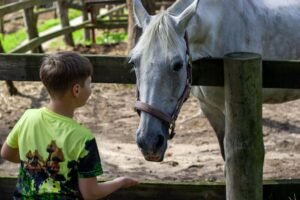
Equine-assisted therapy programs vary widely in structure, staffing, and quality. Because this work involves vulnerable participants and animals both, it is worth being deliberate about who you choose. What to look for Relevant credentials for the staff running sessions. Depending on the program type, this might mean a licensed therapist, a certified therapeutic riding instructor, […]
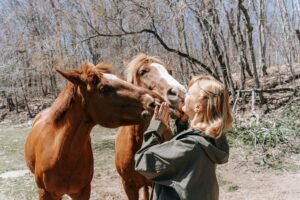
Equine-assisted therapy covers a range of programs that use interaction with horses to support therapeutic, developmental, or emotional goals. It is a broad category, and the specifics vary a lot between programs — worth understanding before you look for one. What it typically involves Most programs fall into a few general categories: therapeutic riding (adapted […]
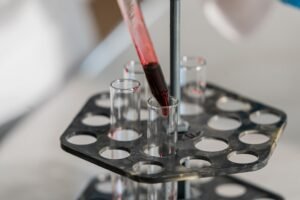
Diagnostic and testing services cover a wide range — hair and mineral analysis, genetic testing, fecal egg counts, and more. The service itself is usually straightforward. The value depends on who is behind it. What separates a good testing service from a mediocre one Anyone can mail you a collection kit. The difference is in […]

Hair and mineral analysis testing has become a popular add-on in equine nutrition circles — send in a sample, get back a printout of mineral levels, and adjust feeding accordingly. It can be a genuinely useful tool. It can also be oversold. Here is what it actually does. What the test measures A lab analyzes […]
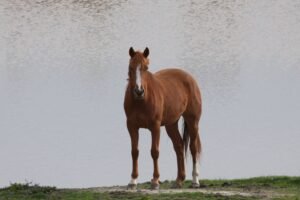
Founder is the common name for the severe, damaging stage of laminitis — when the coffin bone inside the hoof rotates or sinks after the supporting tissues (laminae) fail. It is one of the most serious things that can happen to a horse foot, and it is often preventable. Understanding what founder is, what causes […]
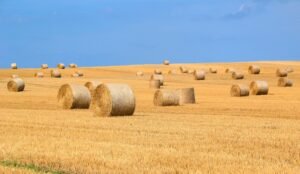
Hay prices vary widely by region, season, type and bale size, so any single number is misleading. A small square bale might cost a few dollars in a hay-rich area during a good year, and several times that in a drought or a region that ships hay in. Large round bales cost more per bale […]
There is no single perfect formula, but a useful way to picture a horse age in human terms is that a horse matures very fast early in life, then ages more gradually. A one-year-old horse is roughly comparable to a six-year-old child, a four-year-old horse to a young adult, and from there each horse year […]
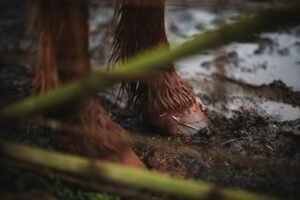
Horses need shoes when work, terrain or a hoof problem wears their feet faster than they can grow, or when they need extra protection, traction or support. But not every horse needs shoes — many do perfectly well barefoot. Whether to shoe is a decision made horse by horse, based on the work it does, […]
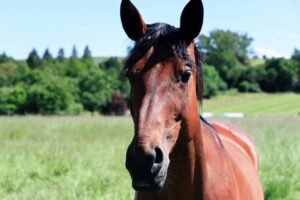
A mare is an adult female horse, generally one aged four years or older. Along with stallions and geldings, mares are one of the three main categories of horse you will hear referred to constantly around the barn. Mares can be ridden, driven, worked and competed just like males, and they are also the only […]
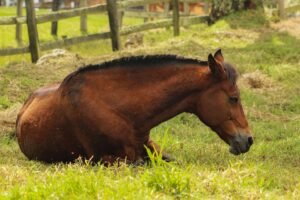
Horses sleep in a fascinating way: they can doze standing up thanks to a special locking mechanism in their legs, but they must lie down for deep, restorative REM sleep. A horse only needs a few hours of sleep a day, taken in short naps around the clock rather than one long stretch — a […]
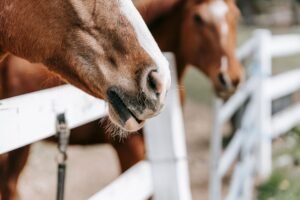
You can estimate a horse age by examining its teeth — a skill horsemen have relied on for centuries, and the origin of the saying “never look a gift horse in the mouth.” As a horse ages, its teeth erupt, wear and change shape and angle in fairly predictable ways. It is an estimate, not […]
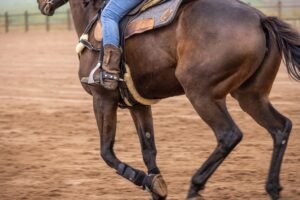
As a general rule, a horse can comfortably carry about 20 percent of its own body weight, including both rider and tack. For a typical 1,000-pound horse, that works out to roughly 200 pounds total. This is a guideline, not a hard limit — a horse fitness, build, conformation and the length of the ride […]
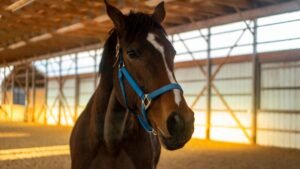
A gelding is a castrated male horse — a male that has been surgically neutered so it cannot breed. Gelding is one of the most common procedures in the horse world, and for good reason: geldings are typically calmer, more consistent and easier to handle than stallions, which makes them the preferred choice for most […]
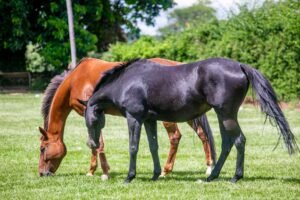
Horses are grazing herbivores built to eat small amounts of fibrous forage almost constantly. The foundation of every horse diet is grass and hay — forage — supplemented as needed with grain or concentrates, plus fresh water and salt. Their digestive systems are designed for a steady trickle of fiber, not large infrequent meals, which […]
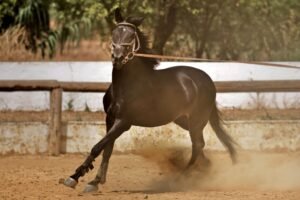
The average horse gallops at around 25 to 30 miles per hour. The fastest can go much quicker over short distances — a Quarter Horse has been clocked near 55 mph in a sprint, and the top recorded racing speed for a Thoroughbred is around 43 to 44 mph. How fast any individual horse runs […]
A horse can cost anywhere from a few hundred dollars to tens of thousands, depending on breed, age, training and intended use. A sound, sensible trail or companion horse often falls in the low thousands, while a well-trained competition prospect can run far higher. But the purchase price is only the beginning — the ongoing […]
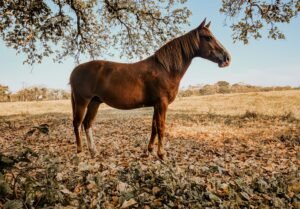
Body condition scoring is the simplest, most useful skill an owner can learn for managing a horse’s weight. Instead of guessing, you assess fat cover at key points on the body and assign a score. The most widely used system, the Henneke scale, runs from 1 (emaciated) to 9 (extremely fat), with most healthy horses […]
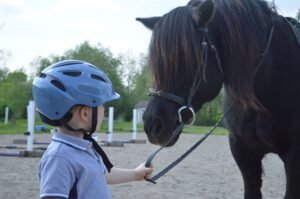
The best first horse is not a breed — it is a temperament. A calm, sensible, well-trained horse of almost any breed will teach a beginner more than a flashy, sensitive one ever could. That said, some breeds are more likely to produce the steady, forgiving disposition new riders need. Here is what to look […]
Laminitis is one of the most serious conditions a horse can face — painful inflammation of the sensitive tissues (laminae) that bond the hoof wall to the bone inside. Caught early, it can often be managed. Missed or delayed, it can become permanently crippling. Every horse owner should be able to recognize the signs and […]
Owning a horse costs far more than the purchase price. Between boarding, feed, farrier visits, veterinary care and the many smaller expenses, most owners spend somewhere in the range of a few thousand to over ten thousand dollars a year per horse. The exact figure depends heavily on where you live, whether you board or […]
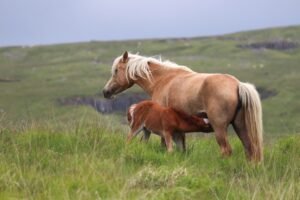
A mare is pregnant for roughly 11 months — about 340 days on average, though anywhere from 320 to 370 days is considered normal. Foals born a little early or late within that window are usually perfectly healthy. Gestation length varies by individual mare, breed, and even the time of year the foal is due. […]
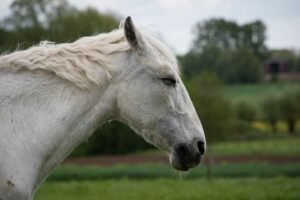
Most horses live 25 to 30 years, though it varies more than many new owners expect. With modern veterinary care, good nutrition and steady preventive attention, plenty of horses now reach their early thirties in comfortable working or retired lives. Ponies tend to live longest of all, sometimes into their late thirties or beyond. Average […]
Relocating means rebuilding a whole care team, not just finding a stall. How to evaluate a barn from a distance and land well.
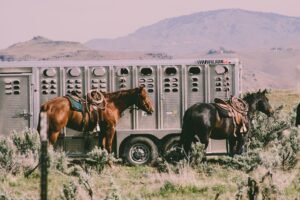
Most hauling problems are preventable, and most of the prevention happens before the horse is loaded. A pre-trip checklist.
The minutes before the vet arrives are the ones you can prepare for. What to do, what not to do, and what to have ready in advance.
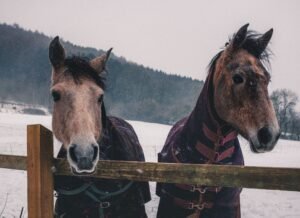
Winter is about getting a few fundamentals right before the weather turns. Hay, water, shelter and condition — in that order.
Horses hide pain by instinct. Learning to read the face and the behaviour is one of the most useful skills an owner can develop.
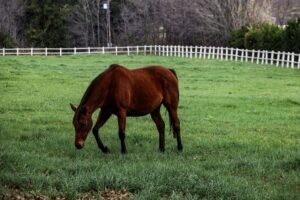
Nutrition is simpler than the supplement aisle suggests. Forage, water and salt do most of the work. Here is the sensible foundation.
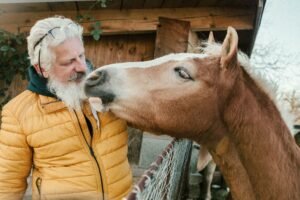
Bringing home your first horse is exciting and overwhelming in equal measure. A practical checklist for the first month.
Routine floats price predictably; findings do not. Here is what equine dental care typically costs and what makes the bill climb.
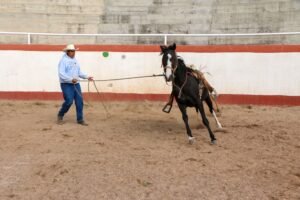
Full training, partial training, starting a young horse — pricing varies enormously by program type. Here is a realistic breakdown.
Mortality premiums track the horse's value; medical cover is added on top. Here is how the numbers usually work, and what to compare.
Per-mile, flat rate, shared load or exclusive haul — what each typically costs, and why the cheapest quote is rarely the right one.
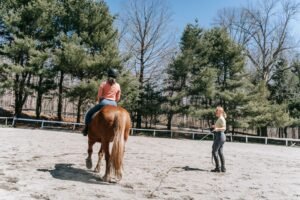
Group, private, school horse, clinic — what each format typically costs, and how to budget for the frequency you will actually sustain.
Routine care is predictable. Emergencies are not. Here are typical figures for both, and how to plan for the call you hope never comes.
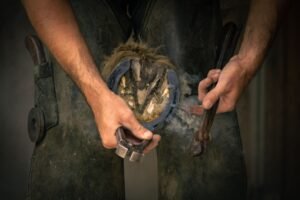
Trim, half set, full set, corrective work — what each typically costs, and why the cheapest farrier is often the most expensive choice.
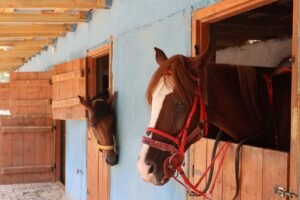
Full board, pasture board, self-care — costs vary a lot by type and region. Here is what owners actually pay, and what should be included at each level.
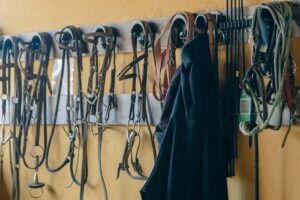
A good tack shop tells you not to buy things. Here is what separates one from a warehouse with a horse on the sign.

Horse knowledge matters more than the camera. What to check in a portfolio, a contract, and a session plan before you book.
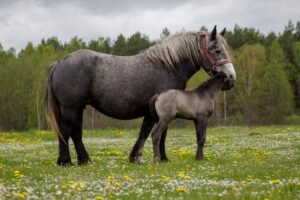
Start with a breeding soundness exam, read the live foal guarantee closely, and be honest about the economics before you commit.
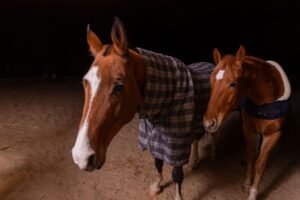
A good rehab facility executes your vet's plan and reports back. A weak one is a field with expensive equipment. Here is how to tell them apart.
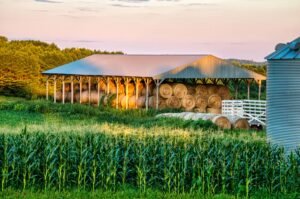
Forage is the foundation of the diet. A supplier who delivers consistent hay is worth more than one who is occasionally cheaper.
With insurance, the exclusions matter more than the brochure. Here is what to read, what to disclose, and where policies quietly differ.
You are handing over an animal that cannot tell you what happened. Verify the insurance, the paperwork and the plan before you book.
Dental problems hide until they affect weight and behaviour. What to check in an equine dentist, starting with whether they are legally allowed to do the work.
Barefoot specialists and farriers do overlapping but different jobs. Here is how to tell which your horse needs, and how to choose well.

Legal standing, real certification and honest limits. How to choose an equine chiropractor without falling for claims nobody can support.
Massage helps a sore horse work more freely. It is not a substitute for diagnosis. Here is how to choose a bodyworker who knows the difference.
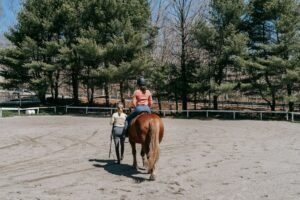
A good first instructor builds confidence and safe habits. A poor one can end someone's riding before it starts. Here is what to look for.
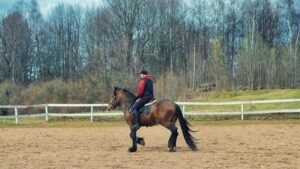
Anyone can call themselves a trainer. Here is how to judge one properly — by the job you actually need done, and by how their horses go.
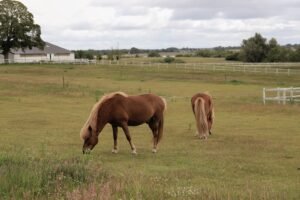
You see the barn a few hours a week. Your horse lives there. Here is how to evaluate a boarding facility on the things that actually matter.
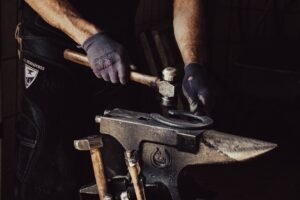
Your farrier shapes your horse's soundness every five to eight weeks. Here is how to tell a good one from an adequate one before you commit.
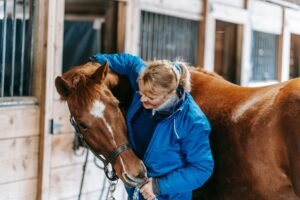
Your vet is the one call you cannot afford to get wrong in an emergency. Here is what to check before you need them urgently, not after.
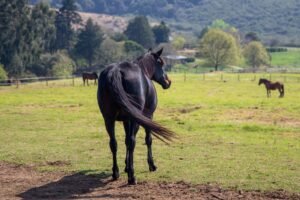
Horses are living longer and better than ever, and a well-cared-for senior can enjoy many comfortable years. Caring for an older horse is mostly about paying closer attention and adjusting as needs change — not about treating age itself as a disease.
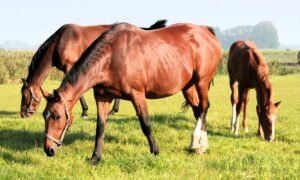
Summer brings its own challenges — heat stress, relentless flies, and the constant job of keeping a big animal hydrated. A few sensible habits keep your horse comfortable and safe through the hottest months.
Vaccination and parasite control are the quiet backbone of preventive horse care — unglamorous, but they prevent diseases and damage that are far harder to deal with after the fact. The modern approach is smarter and more targeted than the old 'deworm every eight weeks' habit.
A horse's teeth never stop erupting, and the way they grind feed wears them unevenly — leaving sharp points that can cut the cheeks and tongue. Routine dental care, including floating, keeps your horse comfortable, eating well, and responsive to the bit. It's one of the most overlooked parts of basic care.
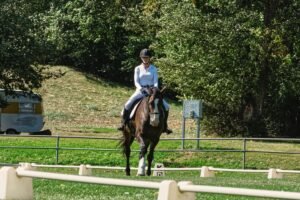
Whether it's for you or your child, the first riding lessons set the tone for everything that follows. A good start builds confidence and safe habits; a rough one can put someone off horses for life. Here's what to look for and expect.
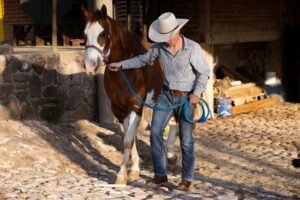
The right trainer can transform your riding and your horse; the wrong one can set you back years or sour a good horse. Since anyone can hang out a shingle, knowing how to evaluate a trainer is one of the most useful skills an owner can have.
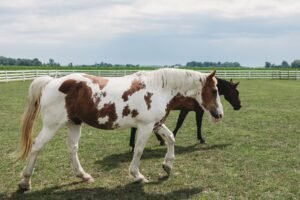
Buying a horse is equal parts heart and head. The pre-purchase exam — the PPE — is how you bring the head back into it. Done well, it doesn't tell you whether to buy; it tells you what you'd be buying, so you can decide with open eyes.
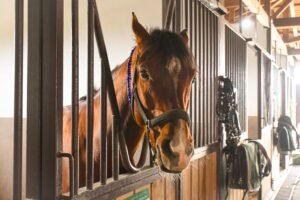
A pretty barn with fresh paint can still be a bad fit for your horse — and a plain one can be the best home it ever has. The way to tell the difference is to ask good questions and watch closely. Print this and take it with you.
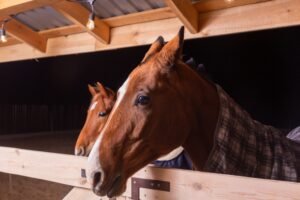
When you board a horse, the monthly price tag is the easy part to compare. What really differs between full-care and self-care is your time, your control, and how much you can relax when you're not at the barn. Here's an honest breakdown.
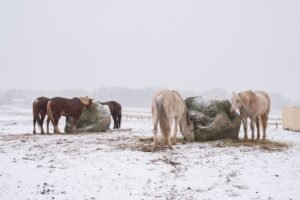
When the temperature drops, a lot of owners instinctively reach for more grain. But the science points the other way: it's forage, not grain, that keeps a horse warm from the inside. Here's how to feed through winter without losing condition — or causing a cold-weather colic.
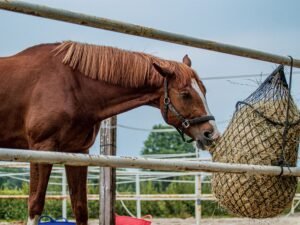
"Am I feeding too much or too little?" is one of the most common questions owners ask — and the bag's feeding chart isn't always the answer, since it assumes your horse is working harder than most actually are. Here's a clearer way to think about portions.
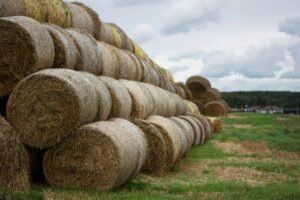
If there's one principle nearly every equine nutritionist agrees on, it's this: forage comes first. A horse's gut is built to process a steady trickle of fiber all day, not big meals of grain. Get the hay right and most of the rest of feeding falls into place.
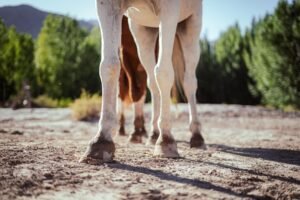
Sooner or later every owner meets one of the big three hoof problems: thrush, a crack, or an abscess. None are rare, all are manageable, and knowing which you're looking at tells you whether it's a 'treat at home' or a 'call someone today.'
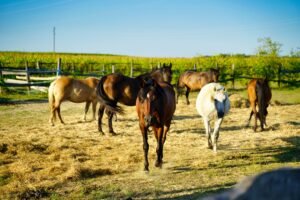
Few topics start a barn argument faster than barefoot versus shod. The honest answer most professionals will give you, away from the internet, is: it depends on the horse, the work, and the ground. Let's look at what each actually does — without the dogma.
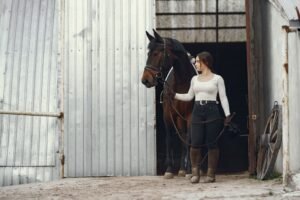
"Every six weeks" is the answer you'll hear most — and it's a fine starting point. But the honest truth is your horse's real schedule depends on its feet, its work, the season, and what it's standing on. Here's how to find the rhythm that actually fits your horse.
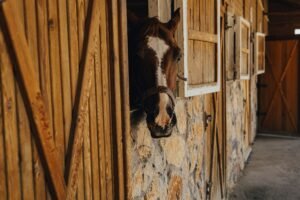
Every horse owner has stood in a stall at night asking the same question: is this a 'call right now' or a 'watch it till morning'? Getting it wrong in either direction costs you — an unnecessary emergency fee, or precious time. Here's a practical way to think it through.
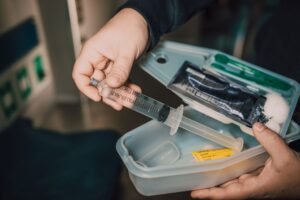
Search "horse first-aid kit" online and you'll find lists with forty items, half of which you'll never touch and a few of which you shouldn't use without a vet anyway. The truth is a good kit is short, organized, and actually accessible when the adrenaline's running.
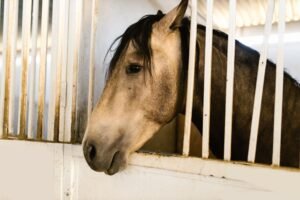
Ask any seasoned horse owner what scares them most, and a lot of them give the same one-word answer: colic. It's common, it can turn serious fast, and it has a way of happening at the worst possible hour. The good news is that catching it early changes everything — and you don't need a veterinary degree to know what to look for.
From vets and farriers to trainers and boarding facilities, search the directory by state, county, or service.
We're always adding new guides. Suggest a topic and our equine experts will create a comprehensive resource.