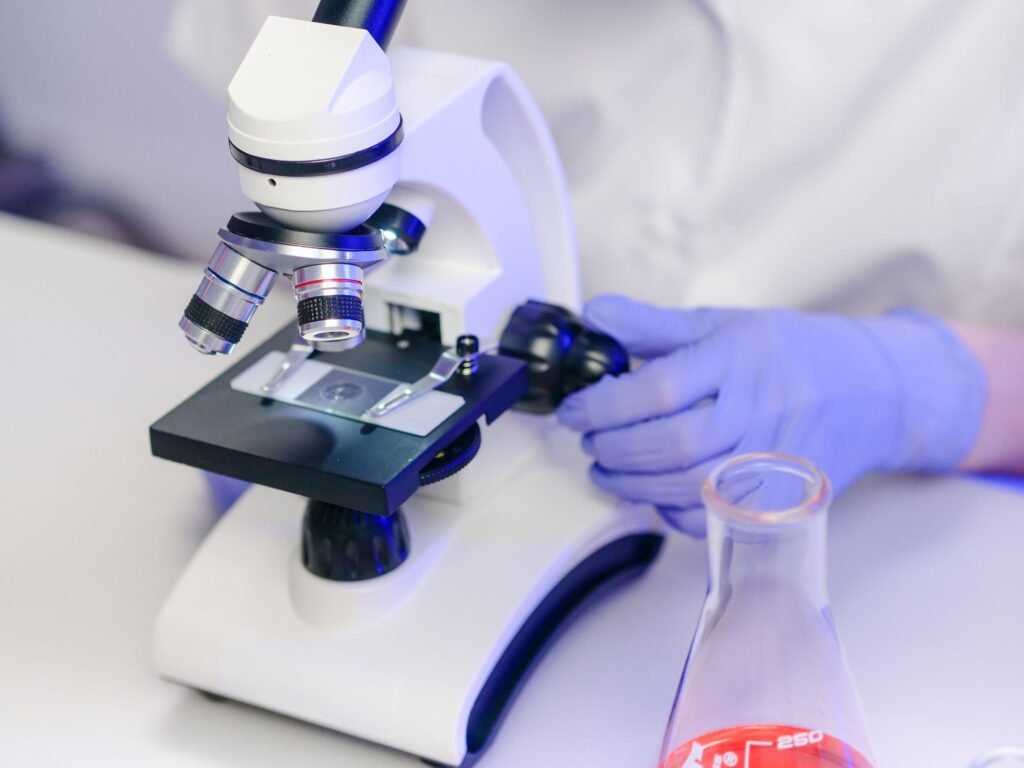
Hair and mineral analysis testing has become a popular add-on in equine nutrition circles — send in a sample, get back a printout of mineral levels, and adjust feeding accordingly. It can be a genuinely useful tool. It can also be oversold. Here is what it actually does.
A lab analyzes a hair sample (usually from the mane or tail) for concentrations of minerals such as zinc, copper, selenium, iron, and sometimes heavy metals. The idea is that mineral levels in the hair reflect longer-term mineral status in the body, in a way a single blood draw does not.
Hair mineral analysis is not a diagnostic test for disease, and results can be influenced by things unrelated to diet — hair color, growth rate, environmental contamination, and shampoo residue among them. It is a screening tool, not a verdict. It works best alongside a forage analysis and a conversation with your vet or an equine nutritionist, not as a replacement for either. It also pairs well with regular body condition scoring u2014 numbers on a lab report mean more next to what you can actually see and feel.
Not necessarily more accurate — different. Blood reflects short-term status; hair reflects a longer window. Many nutritionists use both when something does not add up.
There is no universal schedule. Testing makes the most sense when you are troubleshooting a specific issue or making a significant feeding change, not as a routine annual habit.
You can read them, but interpreting what they mean for your horse’s actual diet is where an equine nutritionist earns their fee. Numbers on a page do not adjust a feeding program on their own.
General information only. Horse Care Finder provides practical, educational guides for horse owners. This content is not a substitute for professional veterinary, medical, legal or other qualified advice. Any prices shown are general estimates that vary by location, provider and circumstances. See our Editorial Policy and Disclaimer.
Find equine professionals near you
Browse Directory