Browse our practical guides on equine care, management, and services.
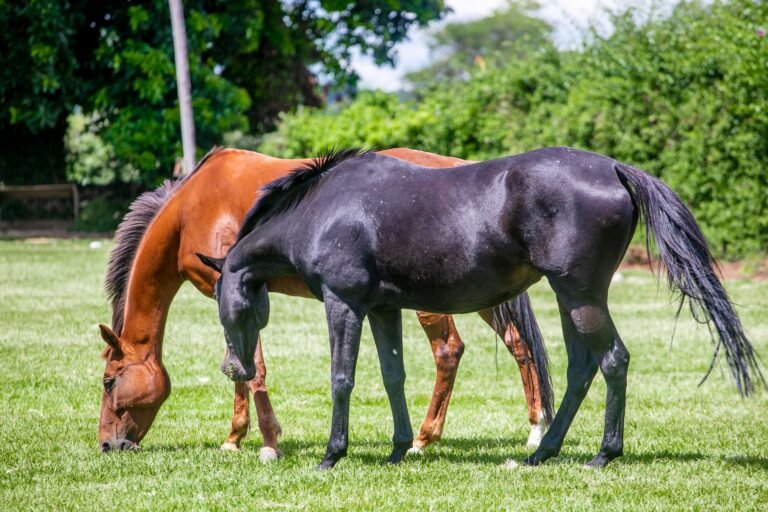
Horses are grazing herbivores built to eat small amounts of fibrous forage almost constantly. The foundation of every horse diet is grass and hay — forage — supplemented as needed with grain or concentrates, plus fresh water and salt. Their digestive systems are designed for a steady trickle of fiber, not large infrequent meals, which […]
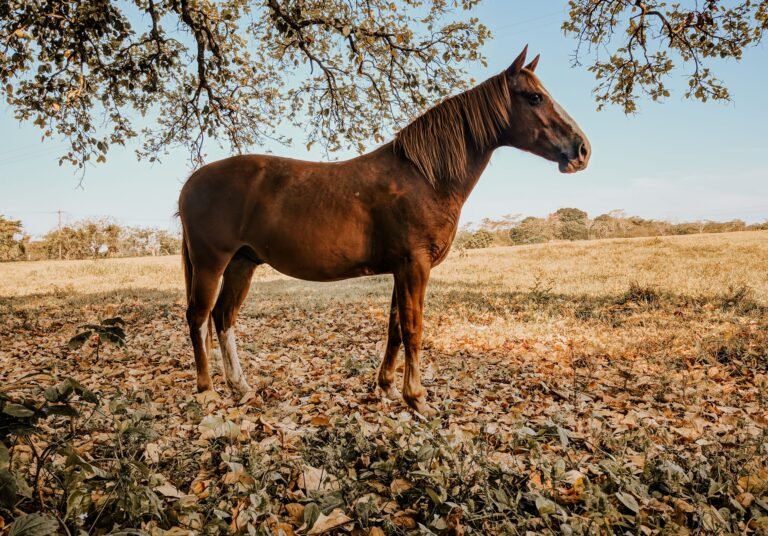
Body condition scoring is the simplest, most useful skill an owner can learn for managing a horse’s weight. Instead of guessing, you assess fat cover at key points on the body and assign a score. The most widely used system, the Henneke scale, runs from 1 (emaciated) to 9 (extremely fat), with most healthy horses […]
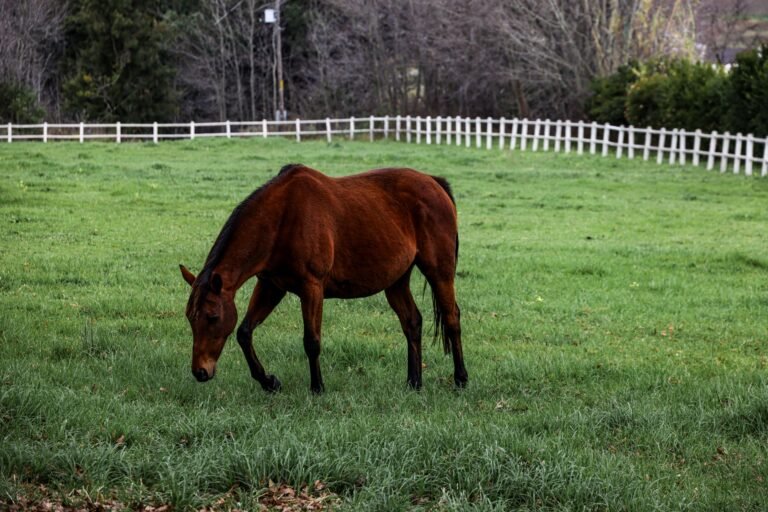
Nutrition is simpler than the supplement aisle suggests. Forage, water and salt do most of the work. Here is the sensible foundation.
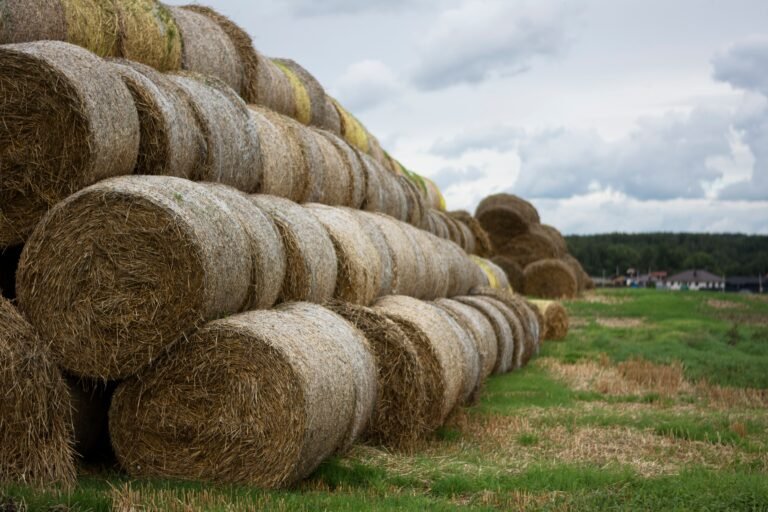
If there's one principle nearly every equine nutritionist agrees on, it's this: forage comes first. A horse's gut is built to process a steady trickle of fiber all day, not big meals of grain. Get the hay right and most of the rest of feeding falls into place.
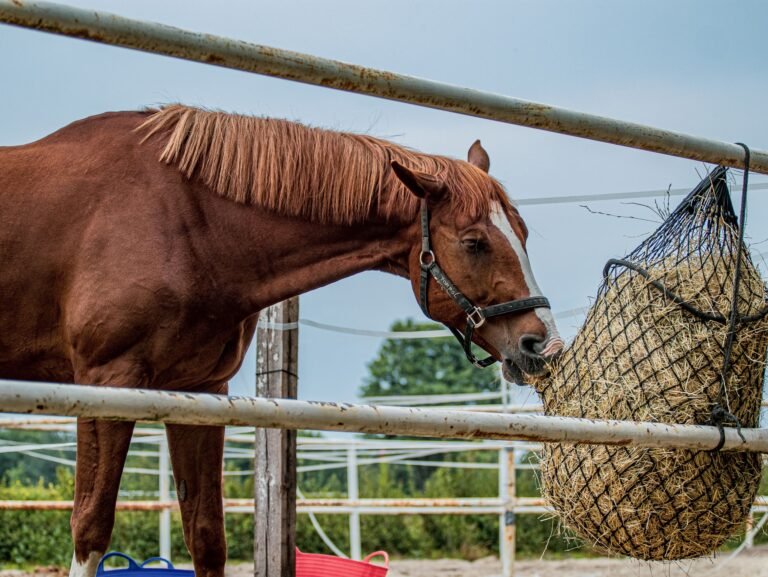
"Am I feeding too much or too little?" is one of the most common questions owners ask — and the bag's feeding chart isn't always the answer, since it assumes your horse is working harder than most actually are. Here's a clearer way to think about portions.
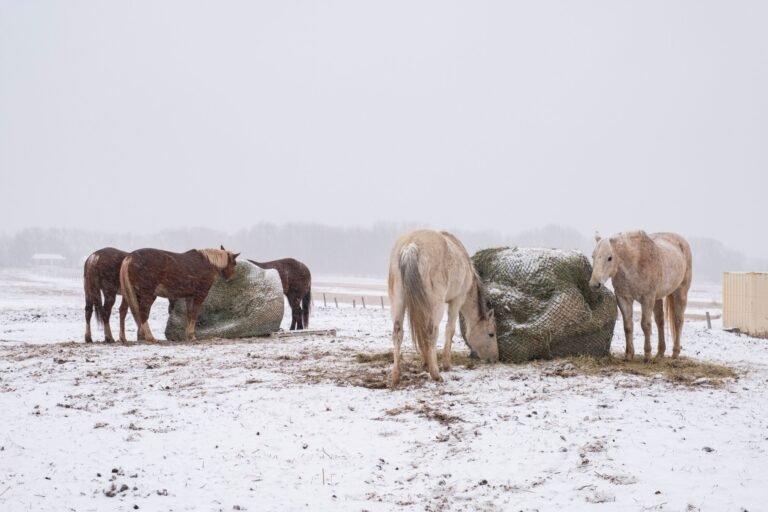
When the temperature drops, a lot of owners instinctively reach for more grain. But the science points the other way: it's forage, not grain, that keeps a horse warm from the inside. Here's how to feed through winter without losing condition — or causing a cold-weather colic.
Ready to find a professional instead of just reading about one?
Browse the Directory