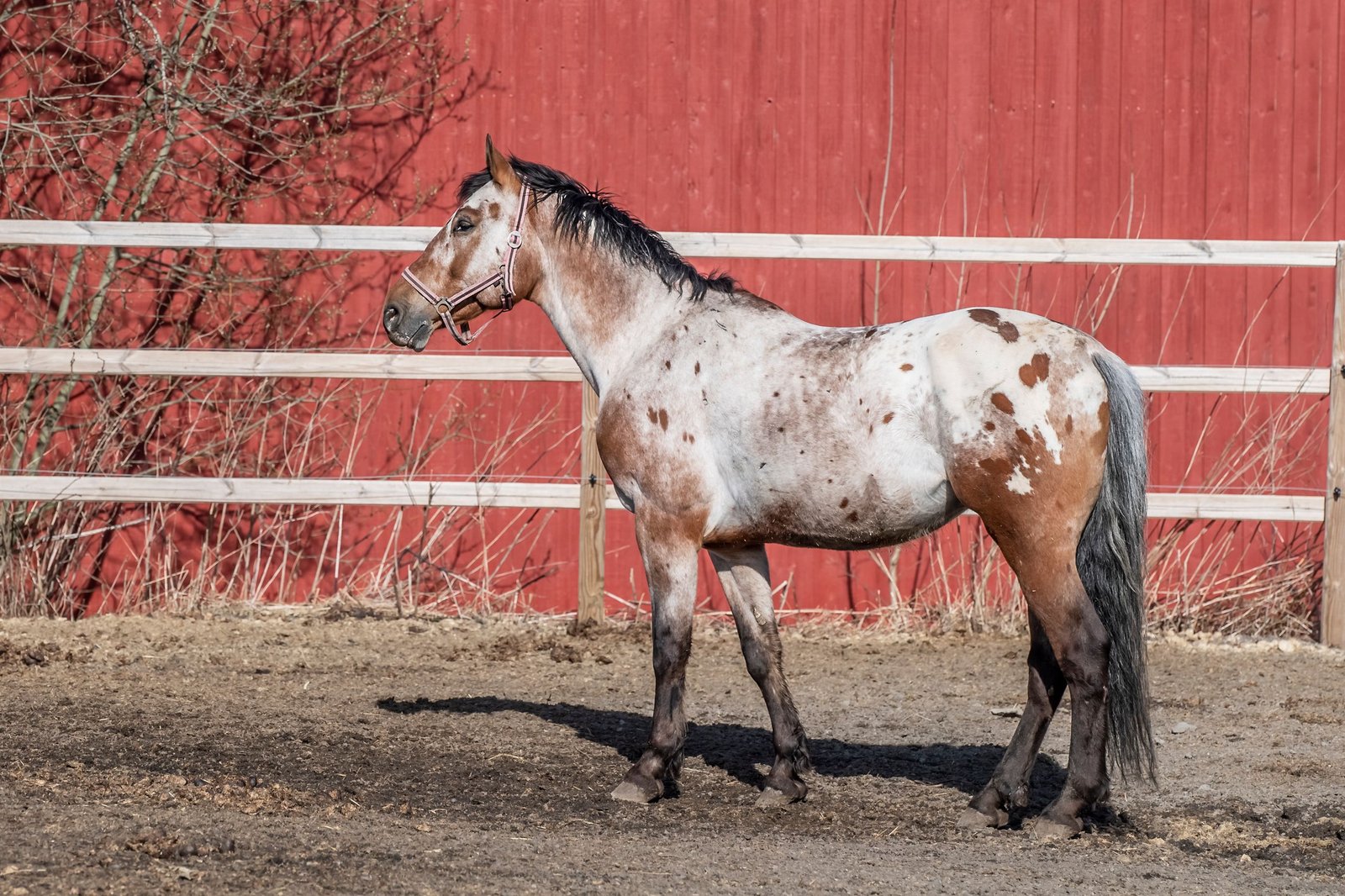
Browse our practical guides on equine care, management, and services.
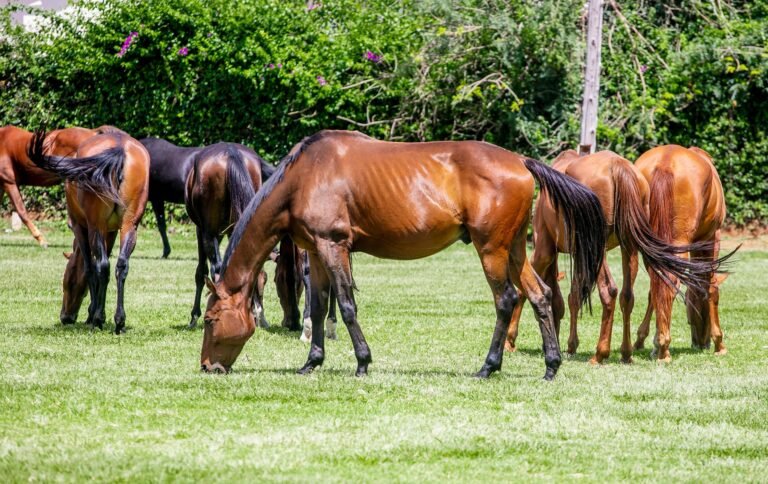
Horse rescue and rehoming organizations range from small, volunteer-run operations to larger nonprofits with dedicated facilities. Understanding how they generally work helps whether you are looking to adopt, surrender, or support one. How horses end up at a rescue Horses arrive at rescues for many reasons: owner surrender due to financial hardship or life changes, […]
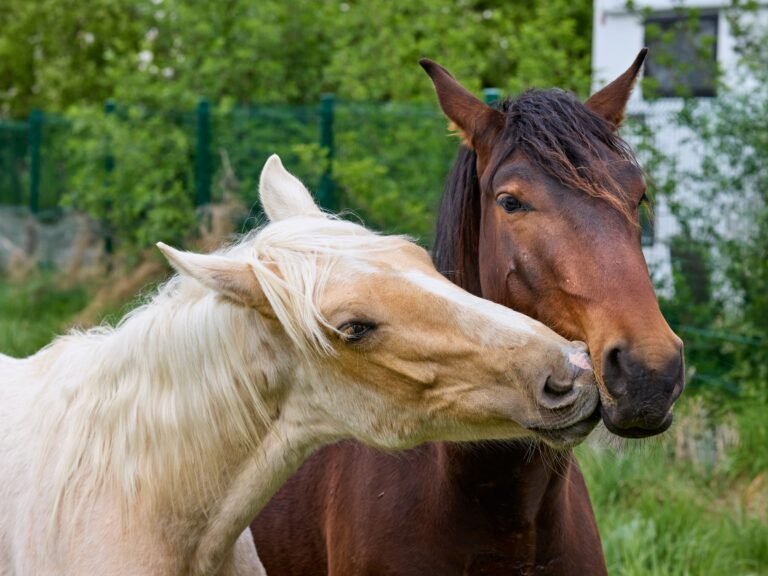
Adopting from a rescue or rehoming organization can be a genuinely rewarding way to bring a horse into your life — and it comes with a different set of expectations than buying a horse with a fully known history u2014 where a pre-purchase exam is typical. Before you apply Be honest about your experience level. […]
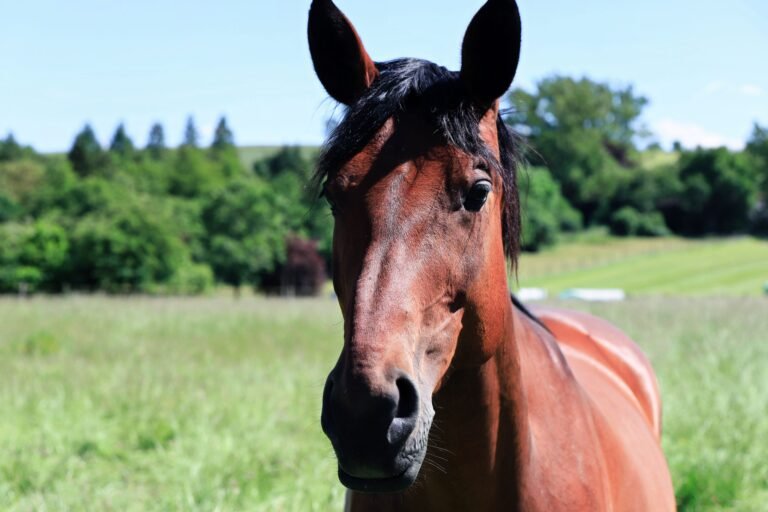
A mare is an adult female horse, generally one aged four years or older. Along with stallions and geldings, mares are one of the three main categories of horse you will hear referred to constantly around the barn. Mares can be ridden, driven, worked and competed just like males, and they are also the only […]
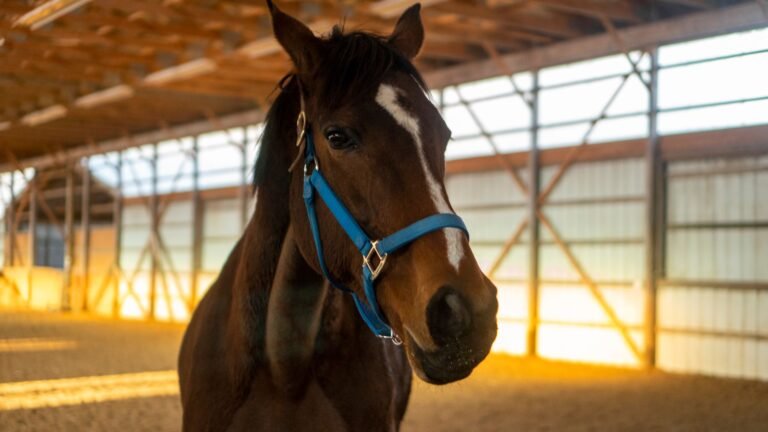
A gelding is a castrated male horse — a male that has been surgically neutered so it cannot breed. Gelding is one of the most common procedures in the horse world, and for good reason: geldings are typically calmer, more consistent and easier to handle than stallions, which makes them the preferred choice for most […]
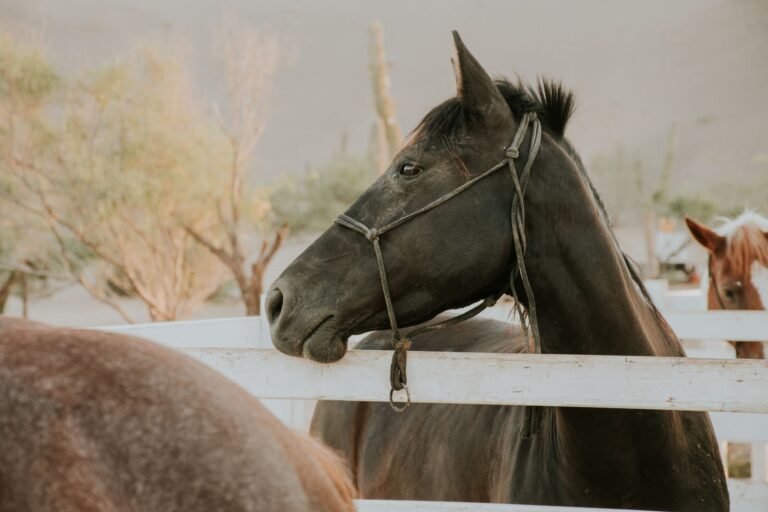
A horse can cost anywhere from a few hundred dollars to tens of thousands, depending on breed, age, training and intended use. A sound, sensible trail or companion horse often falls in the low thousands, while a well-trained competition prospect can run far higher. But the purchase price is only the beginning — the ongoing […]
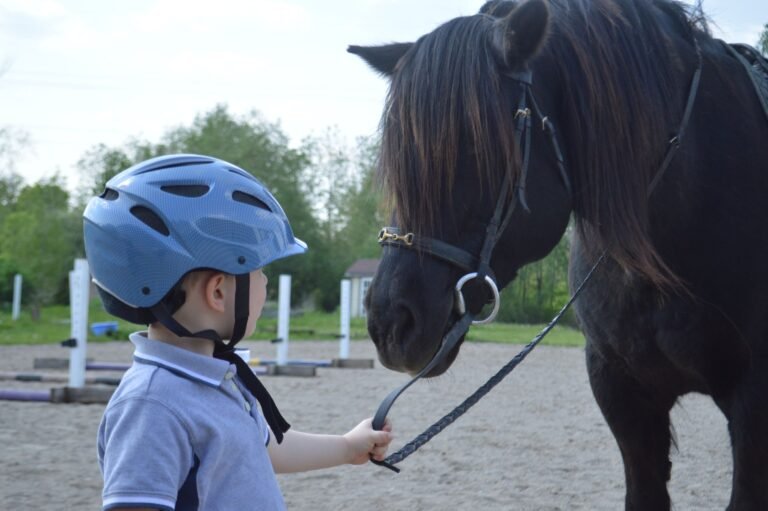
The best first horse is not a breed — it is a temperament. A calm, sensible, well-trained horse of almost any breed will teach a beginner more than a flashy, sensitive one ever could. That said, some breeds are more likely to produce the steady, forgiving disposition new riders need. Here is what to look […]
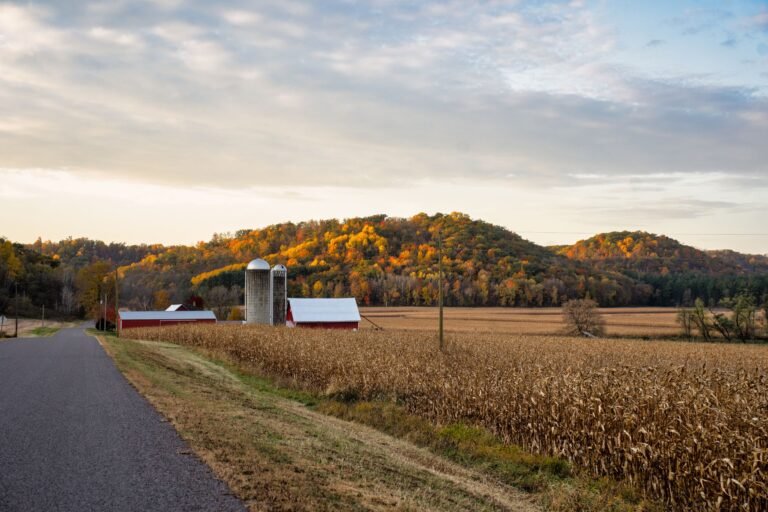
Relocating means rebuilding a whole care team, not just finding a stall. How to evaluate a barn from a distance and land well.
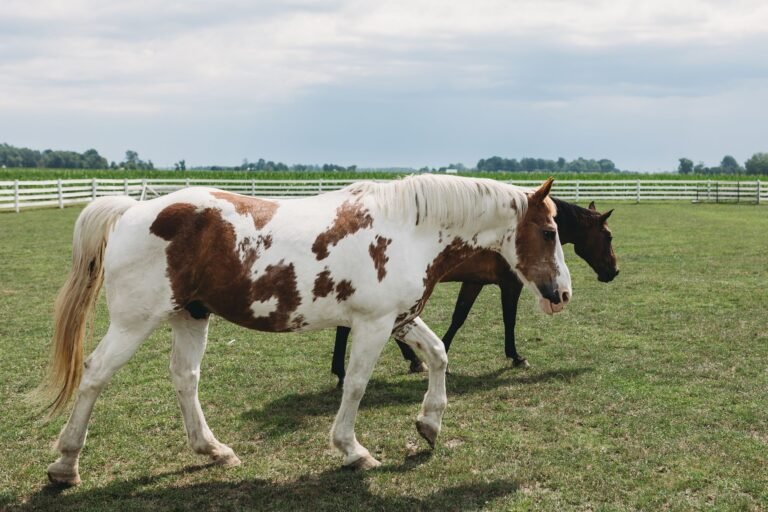
Buying a horse is equal parts heart and head. The pre-purchase exam — the PPE — is how you bring the head back into it. Done well, it doesn't tell you whether to buy; it tells you what you'd be buying, so you can decide with open eyes.
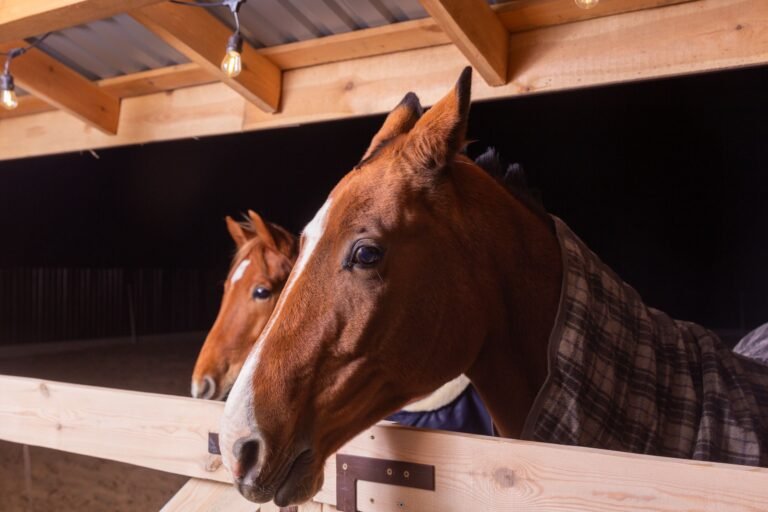
When you board a horse, the monthly price tag is the easy part to compare. What really differs between full-care and self-care is your time, your control, and how much you can relax when you're not at the barn. Here's an honest breakdown.
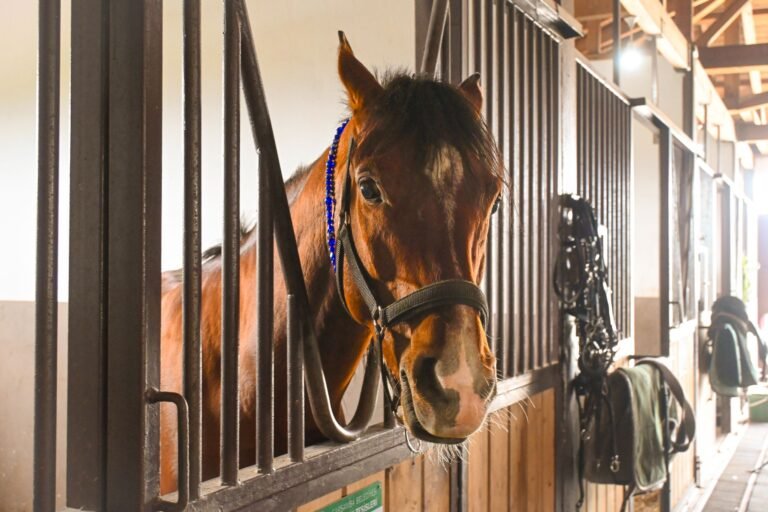
A pretty barn with fresh paint can still be a bad fit for your horse — and a plain one can be the best home it ever has. The way to tell the difference is to ask good questions and watch closely. Print this and take it with you.
Ready to find a professional instead of just reading about one?
Browse the Directory