Practical guides for evaluating and selecting equine service providers.

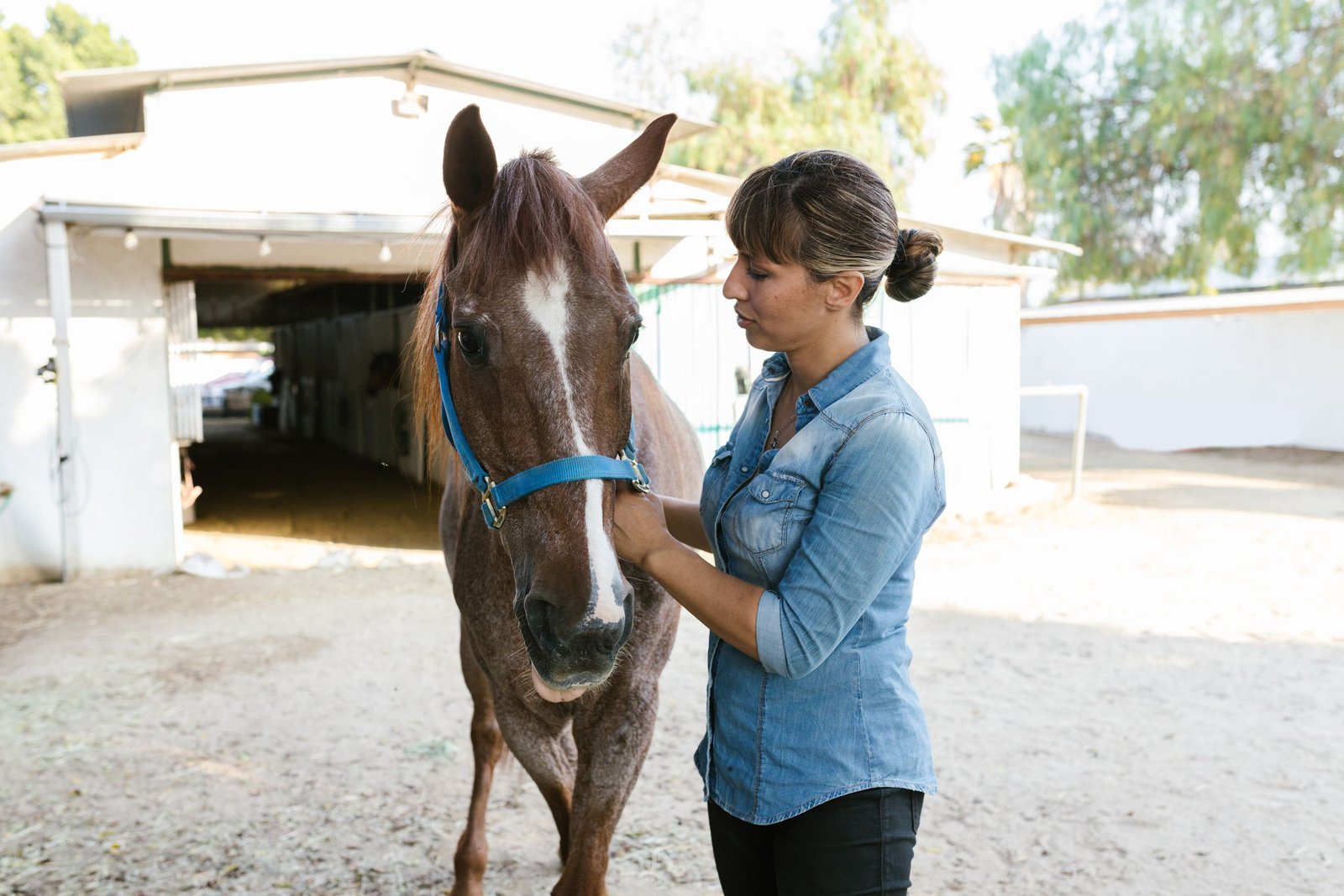
Grooming and body clipping services range from mobile clippers who come to your barn to full-service grooming operations at shows. What separates a good one is less about fancy equipment and more about how they handle the horse. What to look for Calm, patient handling. Clipping involves loud equipment close to a horse’s body — […]
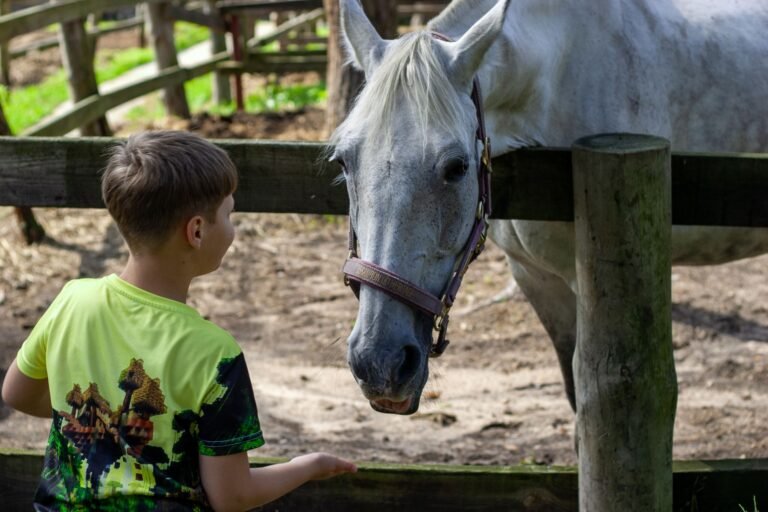
Equine-assisted therapy programs vary widely in structure, staffing, and quality. Because this work involves vulnerable participants and animals both, it is worth being deliberate about who you choose. What to look for Relevant credentials for the staff running sessions. Depending on the program type, this might mean a licensed therapist, a certified therapeutic riding instructor, […]

Diagnostic and testing services cover a wide range — hair and mineral analysis, genetic testing, fecal egg counts, and more. The service itself is usually straightforward. The value depends on who is behind it. What separates a good testing service from a mediocre one Anyone can mail you a collection kit. The difference is in […]
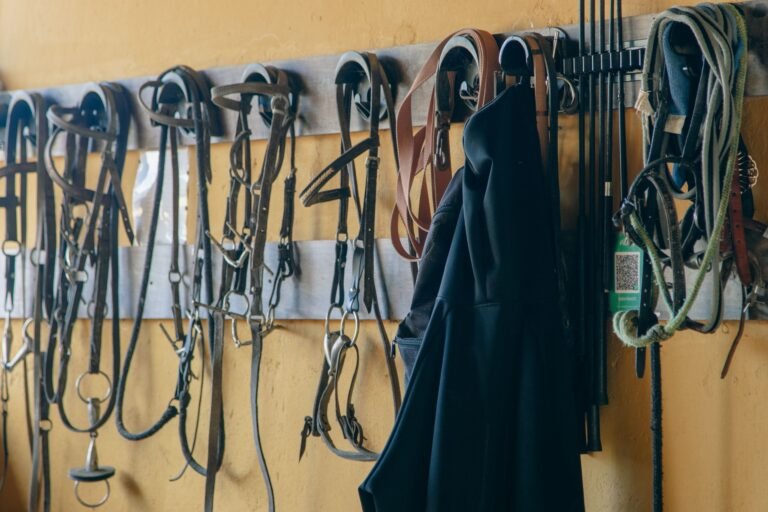
A good tack shop tells you not to buy things. Here is what separates one from a warehouse with a horse on the sign.
With insurance, the exclusions matter more than the brochure. Here is what to read, what to disclose, and where policies quietly differ.

Forage is the foundation of the diet. A supplier who delivers consistent hay is worth more than one who is occasionally cheaper.
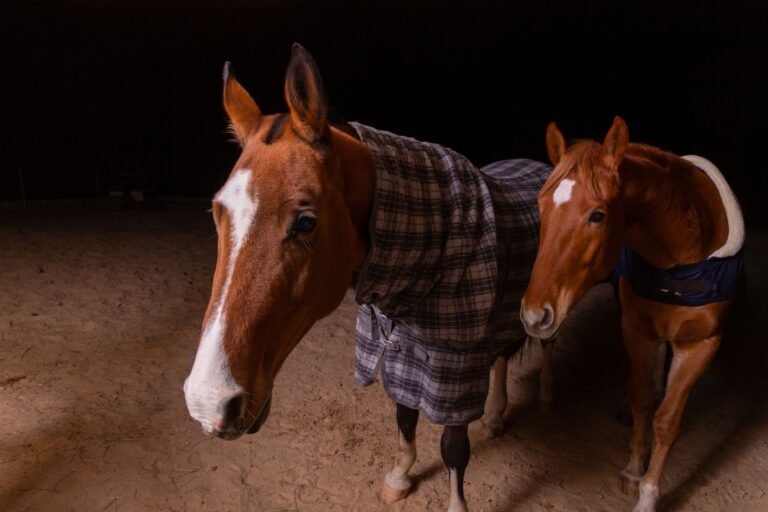
A good rehab facility executes your vet's plan and reports back. A weak one is a field with expensive equipment. Here is how to tell them apart.
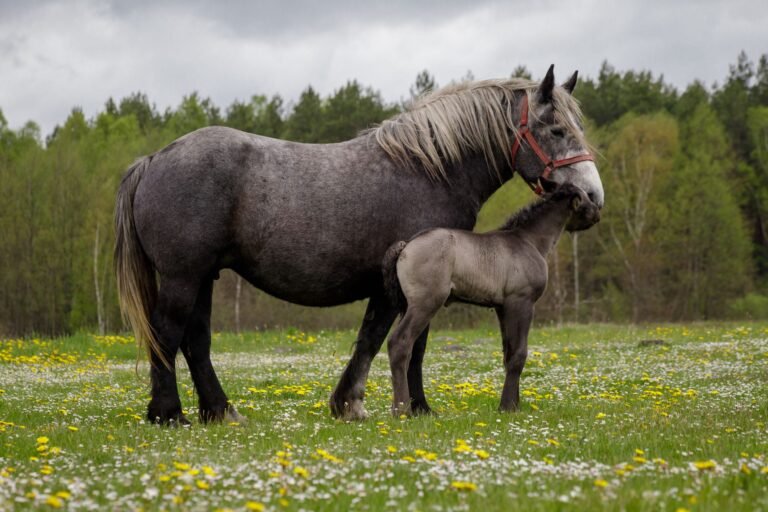
Start with a breeding soundness exam, read the live foal guarantee closely, and be honest about the economics before you commit.

Horse knowledge matters more than the camera. What to check in a portfolio, a contract, and a session plan before you book.

Massage helps a sore horse work more freely. It is not a substitute for diagnosis. Here is how to choose a bodyworker who knows the difference.

Legal standing, real certification and honest limits. How to choose an equine chiropractor without falling for claims nobody can support.
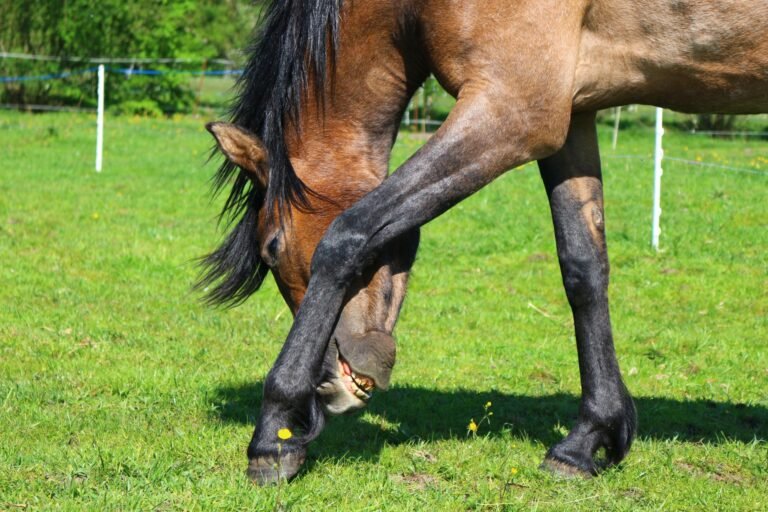
Barefoot specialists and farriers do overlapping but different jobs. Here is how to tell which your horse needs, and how to choose well.