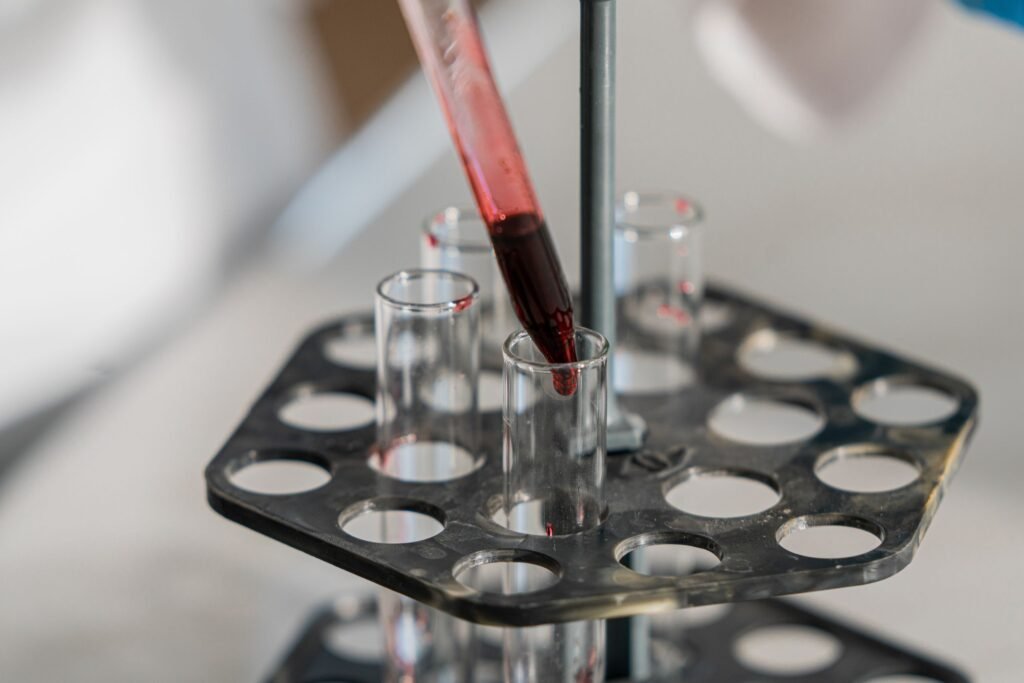
Diagnostic and testing services cover a wide range — hair and mineral analysis, genetic testing, fecal egg counts, and more. The service itself is usually straightforward. The value depends on who is behind it.
Anyone can mail you a collection kit. The difference is in accuracy, turnaround time, and — most importantly — whether someone can actually help you interpret and act on the results.
Be cautious of services that promise a single test can diagnose a specific disease, that push add-on tests without explaining why, or that provide results with no context for what a “normal” range even looks like for horses.
The most common way to waste money here is to run a broad panel with no specific question behind it. Testing is at its best when it answers something you are already wondering about: this horse is losing condition despite adequate feed, this horse has a recurring problem the deworming schedule is not touching, this mare has a breeding history worth investigating. A result with no question attached tends to produce a number you cannot act on and a follow-up test you did not plan for.
Laboratory ranges describe what is typical across a population, not what is correct for your horse. Values sit outside a range for reasons that are sometimes clinical and sometimes not, and recent exercise, time since feeding, season and sample handling all move numbers. This is exactly why interpretation matters more than the printout, and why a borderline result is a reason to talk to your vet rather than to start a supplement.
Hair analysis is widely marketed and its usefulness in horses is debated. It reflects a long window rather than current status, and results can be affected by anything applied to the coat. Treat it as one input among several rather than a standalone diagnosis, and be particularly wary of any service that reads a hair panel and immediately sells you the supplements it recommends.
Some tests (like basic fecal egg counts or hair analysis) can be ordered directly. Others, particularly genetic and disease-specific panels, are best ordered through or interpreted alongside your vet.
It varies widely by test type and lab. Ask for pricing upfront, including whether interpretation is included or billed separately.
General information only. Horse Care Finder provides practical, educational guides for horse owners. This content is not a substitute for professional veterinary, medical, legal or other qualified advice. Any prices shown are general estimates that vary by location, provider and circumstances. See our Editorial Policy and Disclaimer.
Find equine professionals near you
Browse Directory