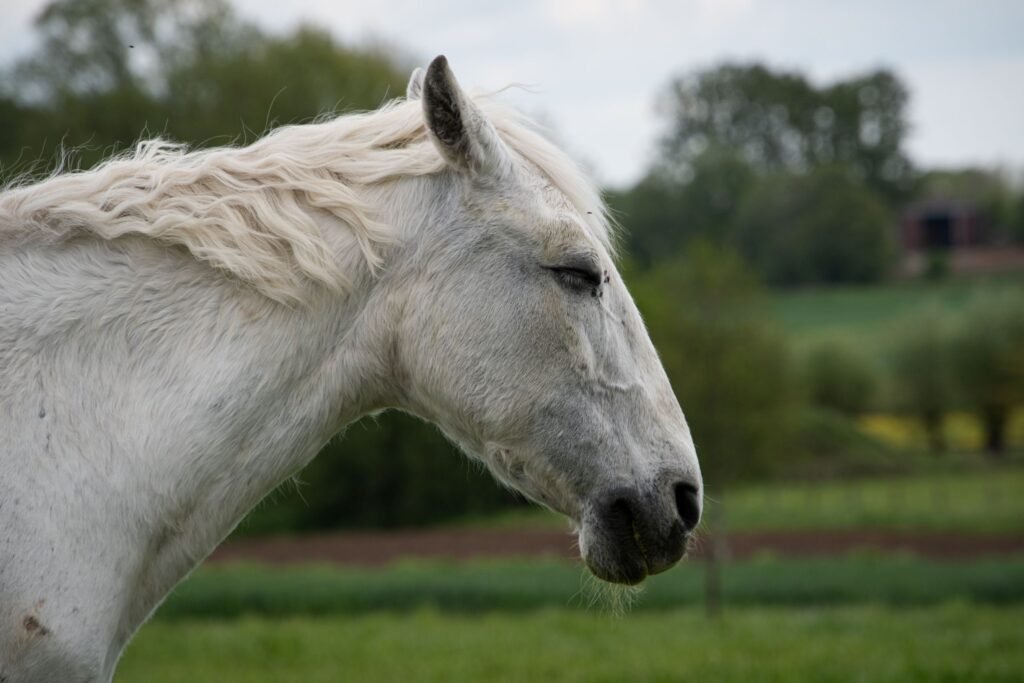
Most horses live 25 to 30 years, though it varies more than many new owners expect. With modern veterinary care, good nutrition and steady preventive attention, plenty of horses now reach their early thirties in comfortable working or retired lives. Ponies tend to live longest of all, sometimes into their late thirties or beyond.
A useful rule of thumb: a well-cared-for horse lives about 25 to 30 years. That average hides a wide range. Draft breeds and very large horses often live a little less, in the low-to-mid twenties. Ponies and many smaller breeds routinely live past 30. Individual genetics, workload history and quality of care move any single horse up or down that scale.
Horses are generally considered foals under one year, yearlings at one to two, and mature by around four to five. Most are in their prime from roughly five to fifteen. A horse is often called a senior from about fifteen to twenty onward, though many work happily well past that. Age is only part of the picture — a sound, well-managed twenty-year-old may be more capable than a poorly kept twelve-year-old.
Senior horses thrive on consistency: easy-to-chew forage, warm shelter, gentle regular movement and closer monitoring of weight and teeth. Many do well on senior feeds designed for aging digestive systems. Our guide to caring for the senior horse covers this in depth. If you are ever unsure whether a change is normal aging or a problem, a quick call to your equine veterinarian is always worth it.
Related: horse years in human years.
General information only. Horse Care Finder provides practical, educational guides for horse owners. This content is not a substitute for professional veterinary, medical, legal or other qualified advice. Any prices shown are general estimates that vary by location, provider and circumstances. See our Editorial Policy and Disclaimer.
Most horses live 25 to 30 years with good care. Ponies often live longer, sometimes into their late thirties, while very large draft breeds may average a little less.
The oldest verified horse, Old Billy, reportedly lived to 62 in 19th-century England. That is far beyond normal; a realistic upper range for a well-cared-for modern horse is the low-to-mid thirties.
Generally yes. Ponies and smaller breeds tend to live longer than large horses, with many reaching 30 or more and some going well beyond.
Horses are often considered seniors from around 15 to 20 years old, but many remain sound and in work well into their twenties. Care needs matter more than the number itself.
Stay consistent with dental care, hoof care, forage-first nutrition, vaccines and deworming, and appropriate exercise. Catching problems early through routine veterinary checks makes the biggest difference.