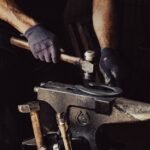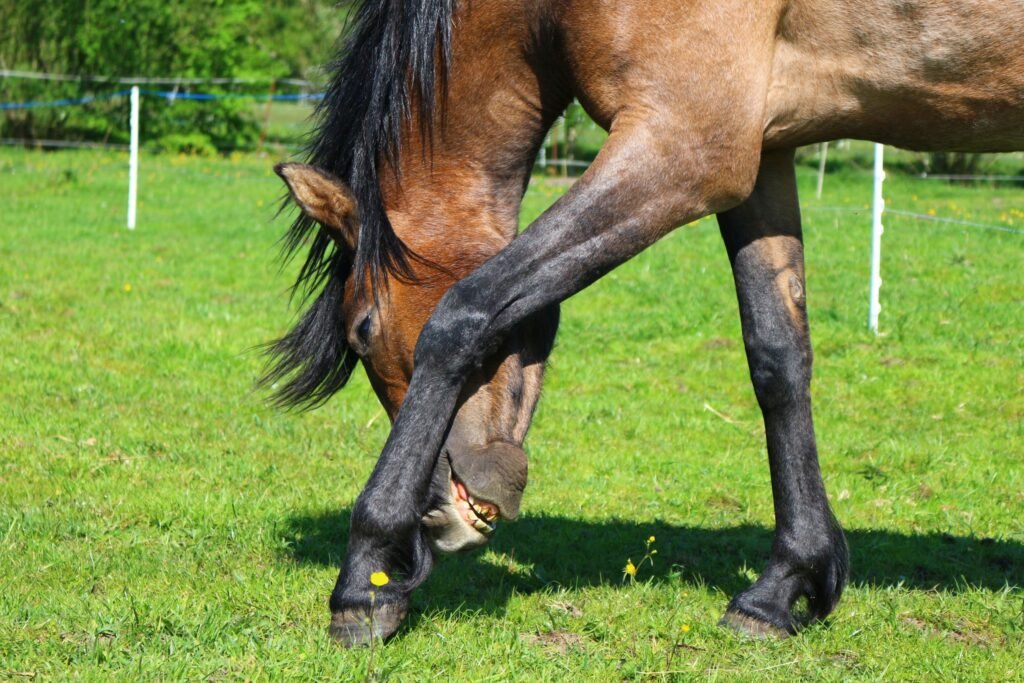
Hoof care specialists occupy a distinct niche from general farriery — typically focused on barefoot management, rehabilitation and therapeutic trimming. For some horses this is exactly right. For others, a conventional farrier is the better fit.
The specialist route often means no shoes, a tighter trim cycle, and a longer transition period during which your horse may be footsore. That is a real commitment. Going in clear-eyed matters more than the philosophy.
Hoof care attracts strong belief. Be cautious of anyone who insists every horse can go barefoot regardless of workload, footing or pathology, or who treats shoes as a moral failing. The right answer is the one that keeps your particular horse comfortable.
If you are pulling shoes, plan the timing rather than letting it happen. Coming out of shoes into a wet spring, or onto hard stony ground, makes a difficult period harder. Have hoof boots fitted and ready before the shoes come off rather than after the horse is already footsore, and expect to adjust turnout and workload for several weeks. Agree in advance what happens if the horse is not coping, because giving it more time should be a decision rather than a default.
Photograph the feet from the same four angles at every trim, on the same flat surface, and keep the images dated. Hoof change is slow enough that memory is unreliable and photographs are not. Across months you should see the hoof capsule tightening, the heels moving back, and the horse growing more comfortable on varied ground. What you should not see is a horse persistently sore for months with the explanation that it is still transitioning.
For any horse with laminitis, navicular changes or chronic lameness, the trim should be built on radiographs rather than external appearance alone. A specialist who asks for films, reads them, and wants to speak to your vet is doing the job properly. One who declines to involve a vet in a pathological foot is not, whatever the philosophy behind it.
Not quite. Specialists typically focus on barefoot trimming and therapeutic rehabilitation, often without shoeing. Farriers cover trimming and shoeing more broadly.
Most horses need one or the other, not both. If you are unsure which suits your horse, start with the farrier guide.
It varies widely and depends on prior shoeing history and hoof quality. Several months is common. Beware anyone promising a quick transition.
Sometimes, working alongside your vet. But any chronic lameness needs veterinary diagnosis before a trimming plan is built around it.
Related: barefoot vs. shod.
Related: thrush, cracks and abscesses.
General information only. Horse Care Finder provides practical, educational guides for horse owners. This content is not a substitute for professional veterinary, medical, legal or other qualified advice. Any prices shown are general estimates that vary by location, provider and circumstances. See our Editorial Policy and Disclaimer.
Not quite. Specialists typically focus on barefoot trimming and therapeutic rehabilitation, often without shoeing. Farriers cover trimming and shoeing more broadly.
Most horses need one or the other, not both. If you are unsure which suits your horse, start with the farrier guide.
It varies widely and depends on prior shoeing history and hoof quality. Several months is common. Beware anyone promising a quick transition.
Sometimes, working alongside your vet. But any chronic lameness needs veterinary diagnosis before a trimming plan is built around it.