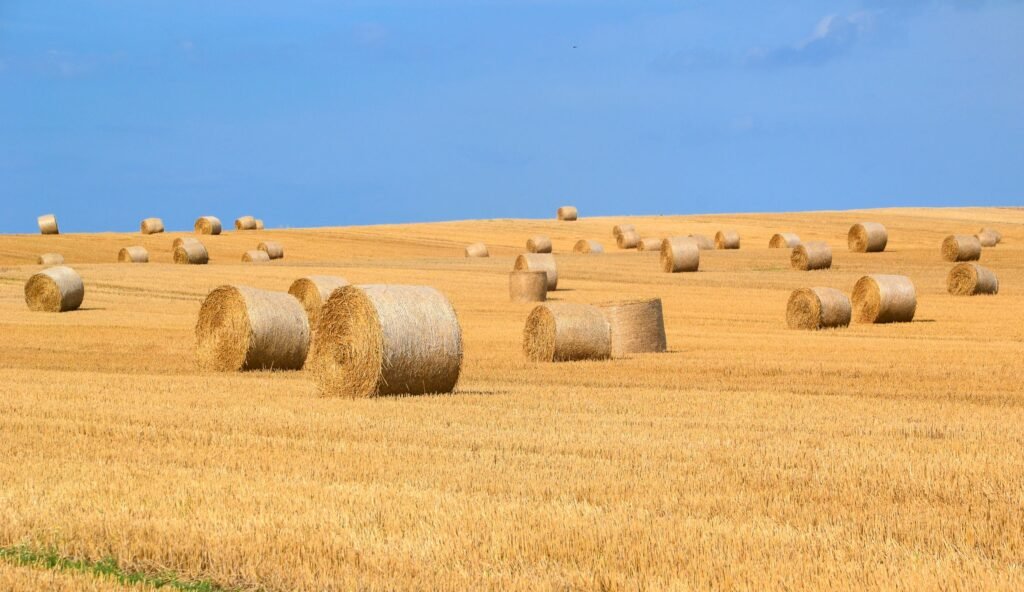
Hay prices vary widely by region, season, type and bale size, so any single number is misleading. A small square bale might cost a few dollars in a hay-rich area during a good year, and several times that in a drought or a region that ships hay in. Large round bales cost more per bale but usually less per pound. The best way to know is to check local suppliers — but it helps to understand what drives the price.
Buying in bulk and in season is usually the most economical, if you have dry, safe storage. Always inspect hay before buying: it should smell sweet, look green rather than brown or dusty, and be free of mold and weeds. Poor hay is no bargain at any price. Building a reliable forage supply is the heart of feeding — see our hay-first feeding guide.
Forage is a major, ongoing cost of horse ownership — often second only to boarding. Factor it into your budget from the start; see how much it costs to own a horse. How much hay you need depends on your horse size and whether it has pasture — our guide on how much to feed helps you estimate. For quality hay and local pricing, connect with a feed and hay supplier near you.
General information only. Horse Care Finder provides practical, educational guides for horse owners. This content is not a substitute for professional veterinary, medical, legal or other qualified advice. Any prices shown are general estimates that vary by location, provider and circumstances. See our Editorial Policy and Disclaimer.
It varies widely by region, season, hay type and bale size. Small square bales are cheaper per bale; large rounds cost more per bale but often less per pound. Local supply is the biggest factor.
Drought, poor cutting years, high fuel and transport costs, and strong seasonal demand all push hay prices up. Areas that import hay pay the most.
Usually yes, especially if you buy in season and have dry, safe storage. Buying by the load rather than a few bales at a time typically lowers the per-bale cost.
Good grass hays like timothy and orchard grass suit most horses. Alfalfa is richer and used more selectively. The best hay is clean, green, sweet-smelling and mold-free, whatever the type.
Good hay smells sweet, looks green rather than brown or dusty, and is free of mold, weeds and debris. Always inspect before buying, since poor hay is no bargain.